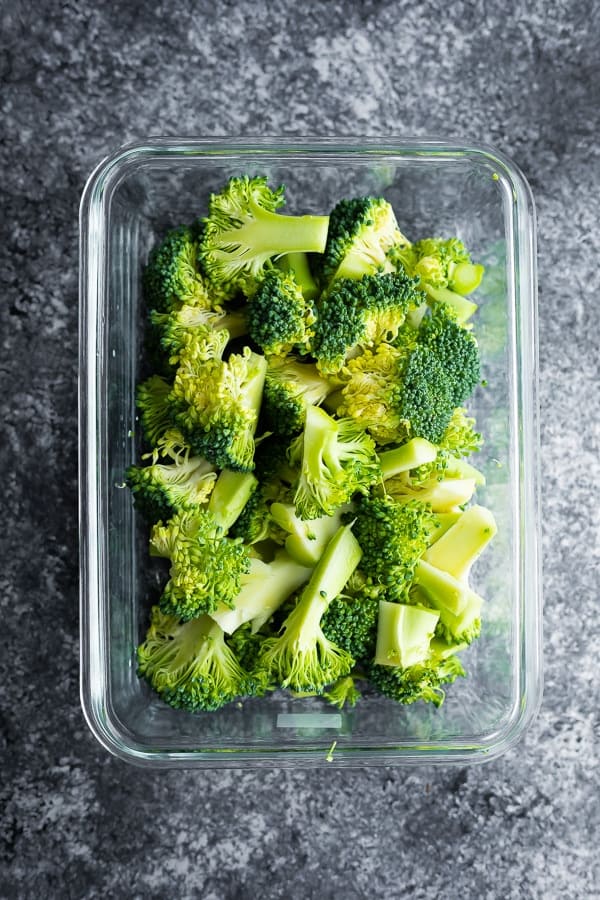
Broccoli, that verdant, tree-like vegetable, often finds itself at the center of playful disdain, particularly among younger palates. It's unfairly typecast as a culinary chore rather than the nutritional powerhouse and incredibly versatile ingredient it truly is. But what if your aversion to broccoli isn't the vegetable's fault at all? As with many members of the diverse brassica family, the secret to transforming this humble stalk from a kitchen nemesis into an irresistible delight lies almost entirely in how to cook broccoli properly. Get ready to rethink everything you thought you knew, because we're about to embark on a journey that will not only teach you to master broccoli prep but also bring out its absolute best flavor, potentially winning over even the pickiest eaters.
Choosing Your Green Gem: The Art of Selecting Fresh Broccoli
While the world boasts many "broccoli" relatives like the leafy gai lan or the bitter rapini, we're focusing on the classic broccoli head that's a staple in North American kitchens – the one resembling a miniature tree or, as some prefer, a charming bouquet of tiny green flowers. These "flowers" are actually clusters of undeveloped blossoms, perched atop firm, pale green stems. Understanding this helps explain why we often refer to the smaller, bushy parts as "florets."
When you're at the grocery store, making the right choice is the first step to delicious broccoli. Look for heads that are vibrant green with a matte finish. Steer clear of any yellowish hues, which indicate the broccoli has been sitting around for a while. While safe to eat, its flavor and texture won't be as fresh. The florets should be tight and firm, with no signs of mushiness or wilting. Equally important is the stalk: it should be robust, taut, and free from wrinkles. A quick scratch can even reveal a little moisture, a good sign of vitality. Avoid stalks that look brown, woody, or dried out at the base. Choosing wisely sets the stage for culinary success.
For more in-depth guidance on selecting the perfect head, explore our detailed guide on How to Choose & Store Fresh Broccoli for Maximum Taste.
Preserving Perfection: Storing Broccoli for Lasting Freshness
Once you've selected your ideal broccoli, proper storage is crucial to maintain its crispness, vibrant color, and fresh flavor. Tossed carelessly into a plastic bag, broccoli can quickly turn soggy and yellow. The key is to let it breathe a little.
Your refrigerator's produce bin is the best spot, but ditch the airtight plastic wrap or bags. Instead, loosely wrap the broccoli in a damp paper towel or, even better, treat it like a bouquet of flowers. Place the stalks upright in a glass or pitcher with about an inch of water at the bottom. This method keeps the broccoli hydrated and extends its freshness for up to a week, sometimes even longer. Stored correctly, your broccoli will retain its optimal flavor and texture, ready for whatever cooking adventure you have planned.
Prep Like a Pro: From Stalk to Irresistible Florets
One of the most beautiful aspects of broccoli is its minimal waste potential – nearly the entire vegetable is edible! Most people instinctively reach for the florets, and while they are undeniably delicious, discarding the stalk means missing out on incredible flavor, texture, and nutrients.
To prep your broccoli:
- Separate the Florets: Using a sharp knife, carefully cut the florets from the main stalk. Aim for bite-sized pieces, ensuring they are roughly uniform in size for even cooking. You can trim away any thicker, very woody parts of the individual floret stems.
- Prepare the Stalk: Don't throw it away! The outer layer of the stalk can be a bit tough and fibrous. Use a vegetable peeler to remove the outermost green skin, revealing the tender, pale green core. This inner stalk is surprisingly sweet and has a texture similar to kohlrabi or even a mild apple. It can be thinly sliced, diced, or even julienned.
- Wash Thoroughly: Rinse both florets and prepared stalk pieces under cool running water. For florets, you can even soak them briefly to dislodge any hidden dirt or tiny critters. Pat them dry thoroughly, especially if you plan to roast or sauté, as excess moisture can hinder browning.
Utilizing the stalk adds another dimension to your dishes and ensures you're getting the most out of your purchase. It's excellent in stir-fries, shaved into salads, or simply cooked alongside the florets.
Mastering the Heat: Diverse Ways to Cook Broccoli to Perfection
Now for the main event: learning how to cook broccoli to bring out its inherent sweetness and appealing texture. Different methods yield distinct results, each fantastic in its own right.
Roasting: The Caramelized Sweetness Secret
Roasting is arguably one of the best ways to transform broccoli, turning it into a dish that's often irresistible, even for skeptics. The high heat caramelizes its natural sugars, creating crispy, slightly charred edges and a tender, sweet interior.
- Method: Toss florets and peeled, sliced stalk pieces with a generous drizzle of olive oil, salt, and freshly ground black pepper. For extra flavor, add garlic powder, red pepper flakes, or a squeeze of lemon. Spread in a single layer on a baking sheet.
- Temperature & Time: Roast at 400°F (200°C) for 15-25 minutes, flipping halfway, until tender-crisp and nicely browned with some crispy bits.
- Benefit: Deep, savory-sweet flavor and fantastic texture, making it a crowd-pleaser and excellent for turning skeptics into fans.
Steaming: Preserving Vibrancy and Nutrients
Steaming is a classic for a reason. It's a gentle cooking method that preserves broccoli's bright green color, delicate texture, and essential nutrients, without diluting its flavor.
- Method: Place florets in a steamer basket over an inch or two of simmering water. Ensure the water doesn't touch the broccoli. Cover tightly.
- Time: Steam for 5-8 minutes, or until bright green and tender-crisp. Don't overcook, or it will become mushy and lose its appeal.
- Benefit: A pure, clean broccoli flavor and a firm yet tender bite. Perfect for a healthy side dish or as a base for sauces.
Sautéing: Quick, Flavorful, and Versatile
Sautéing is a fast and flavorful method, allowing you to infuse your broccoli with aromatic spices and herbs. It’s ideal for quick weeknight meals or as part of a stir-fry.
- Method: Heat a tablespoon or two of olive oil or butter in a large skillet or wok over medium-high heat. Add florets (and stalk pieces) and cook, stirring frequently, for 5-7 minutes. Add a splash of water or broth and cover briefly to steam-finish for 2-3 minutes, until tender. Season with garlic, chili flakes, or soy sauce.
- Benefit: Quick cooking, infused flavors, and a slightly browned, tender texture.
Blanching & Boiling: The Bright Green Power Move
While often maligned, boiling (or more precisely, blanching) can produce incredibly vibrant, crisp-tender broccoli, especially when followed by an ice bath. This method is fantastic for salads or when you need perfectly cooked broccoli for a cold dish.
- Method: Bring a pot of heavily salted water to a rolling boil. Add florets and cook for 1-3 minutes until bright green and just tender. Immediately transfer to an ice bath (a bowl of ice water) to stop the cooking and preserve the color and texture. Drain well.
- Benefit: Exceptionally vibrant green color, crisp texture, and a neutral flavor profile that pairs well with other ingredients.
Air Frying: The Modern Crispy Dream
The air fryer offers a fantastic alternative to roasting, achieving beautifully crispy broccoli with minimal oil and in less time.
- Method: Toss florets and stalk pieces with a light coating of olive oil, salt, pepper, and any desired seasonings. Place in a single layer in the air fryer basket.
- Temperature & Time: Air fry at 375-400°F (190-200°C) for 10-15 minutes, shaking the basket halfway through, until crispy and tender.
- Benefit: Super crispy exterior, tender interior, and a quick cooking time, perfect for a fast, healthy snack or side.
No matter which method you choose, the golden rule of how to cook broccoli is: do not overcook it! Overcooked broccoli turns dull, mushy, and develops an unpleasant sulfurous aroma and taste. Aim for tender-crisp – a slight bite should remain. This will Unlock Broccoli's Best Flavor: Win Over Even Picky Eaters.
Beyond the Basics: Tips for Broccoli Bliss
Once you've mastered the cooking techniques, a few extra touches can elevate your broccoli from good to truly unforgettable:
- Season Liberally: Don't just stick to salt and pepper. A squeeze of fresh lemon juice brightens steamed or roasted broccoli beautifully. Grated Parmesan cheese adds a salty, umami kick. A sprinkle of red pepper flakes offers a gentle heat, while nutritional yeast can give a cheesy, savory depth.
- Embrace Acid: A splash of apple cider vinegar, balsamic glaze, or even a dash of hot sauce can cut through broccoli's earthiness and enhance its flavor.
- Dress it Up: A light vinaigrette, a drizzle of tahini sauce, or a sprinkle of toasted nuts (like almonds or pine nuts) can add texture and complexity.
- Consider Compound Butters: A pat of garlic-herb butter melted over hot, freshly cooked broccoli is a simple luxury.
- Serve Immediately: Broccoli is best enjoyed fresh from the heat, when its texture is at its peak.
From choosing the freshest heads to mastering diverse cooking methods, you now possess the knowledge to transform this humble vegetable. Whether you prefer the sweet char of roasting, the delicate freshness of steaming, or the quick versatility of sautéing, there’s a perfect way for everyone to enjoy broccoli. Experiment with different seasonings and techniques, and you'll soon discover that a properly prepared stalk is anything but boring. So go ahead, grab a head of broccoli, and confidently embark on your journey to culinary mastery, turning this often-misunderstood vegetable into a truly irresistible star of your plate.
