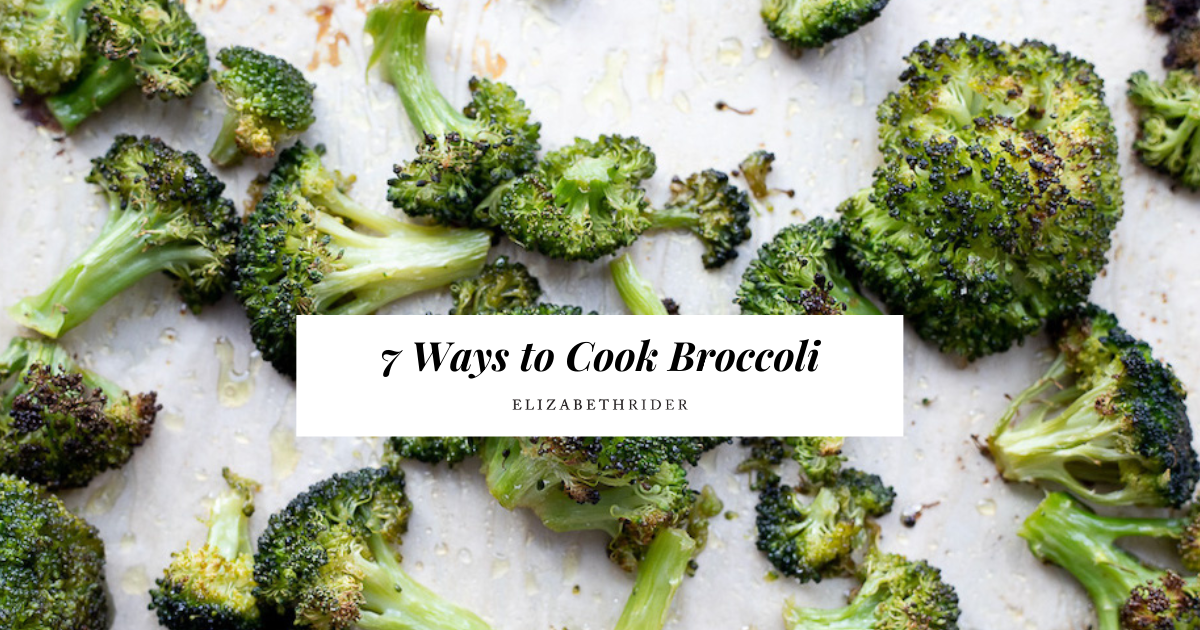
Broccoli often finds itself the subject of culinary debate, frequently typecast as a challenging vegetable, especially for the younger palate. Yet, this versatile member of the brassica family holds immense potential for deliciousness – a potential that, sadly, is often untapped due to improper handling. Many people's aversion to broccoli might not stem from the vegetable itself, but from how it's chosen, stored, or cooked. The journey to mastering how to cook broccoli and truly appreciate its nuanced flavor begins long before it ever touches a cutting board or a hot pan. It starts with selecting the freshest produce and knowing how to preserve that peak freshness until you're ready to transform it into a culinary delight. By understanding these foundational steps, you can elevate your broccoli dishes from a dreaded side to a sought-after staple, ensuring maximum taste and texture every time.
The Foundation of Flavor: Why Choosing Fresh Broccoli Matters
Imagine biting into a perfectly tender, slightly sweet floret, vibrant green and full of life. Now contrast that with a limp, yellowish piece, tasting faintly bitter and mushy. The difference often lies squarely in the freshness of the broccoli you begin with. While there are many relatives in the wider brassica family, like the leafy gai lan or the intensely bitter rapini, we're focusing on the classic, tree-like broccoli head most commonly found in North American grocery stores – what we affectionately call "true" broccoli.
These beautiful green "trees" are more accurately described as bouquets of tiny, undeveloped flower buds, perched atop a sturdy stem. Understanding this botanical truth helps demystify why we refer to broccoli florets and why the entire plant structure is designed to hold nutrients and flavor. The fresher these "bouquets" and their stems are, the more robust and appealing their flavor will be when cooked. Older broccoli tends to develop a stronger, more sulfurous taste and a softer, less desirable texture. Therefore, understanding how to cook broccoli well is intrinsically linked to selecting the right specimen.
What to Look For: Visual Cues for Peak Freshness
- Color is Key: Vibrant Green, Not Yellow. This is perhaps the most critical indicator. Fresh broccoli should be a deep, uniform green with a matte finish. Any signs of yellowing, especially on the florets, indicate that the broccoli has started to age. The yellow color signifies that the chlorophyll is breaking down, and the tiny flower buds are starting to mature. While yellowed broccoli is generally safe to eat, its flavor will be less sweet, potentially more bitter, and its texture less crisp and more fibrous when cooked. Always opt for the brightest green you can find.
- Florets: Firm and Intact. Run your fingers over the florets. They should feel firm to the touch, not soft or pliable. Look for tightly packed buds with no open flowers. Avoid any heads with soggy, mushy, or discolored patches, which are clear signs of spoilage. The individual buds should be tightly closed, indicating youth and peak freshness.
- The Stalk: Sturdy and Smooth. Don't overlook the stalk! A healthy broccoli stalk should be firm and taut, not rubbery or wrinkly. If you gently scratch the surface with your fingernail, a little clear, watery juice should emerge, confirming its hydration and freshness. A dry, shriveled, or soft stalk means it's past its prime.
- The Cut End: Fresh, Not Woody. Examine the very bottom of the stalk where it was cut. It should appear relatively fresh and light in color, perhaps a pale green or off-white. Steer clear of stalks with brown, dry, or woody-looking cut ends, as these are clear indicators of age and dehydration. A woody stalk will be tough and less enjoyable to eat, even after cooking.
The Hidden Quality: Smell and Feel
Beyond visual inspection, trust your other senses. Give the broccoli a quick sniff. Fresh broccoli should have a faint, earthy, and clean aroma. A strong, pungent, or sulfurous smell is a red flag indicating it's starting to turn. When you pick up the head, it should feel relatively heavy for its size and dense. A light, airy feel can suggest dehydration or hollowness within the stalk, both signs of lesser quality.
Preserving Perfection: Mastering Broccoli Storage for Lasting Freshness
Once you've carefully selected the ideal head of broccoli, the next critical step in ensuring delicious results for how to cook broccoli is proper storage. Even the freshest broccoli can quickly deteriorate if not stored correctly, leading to unwanted bitterness, mushiness, or a significant loss of vibrant flavor and appealing texture. The goal is to maintain its hydration and prevent premature spoilage, allowing you to enjoy it at its peak for as long as possible.
Short-Term Storage: Refrigeration Best Practices
Your refrigerator's crisper drawer is generally the best place for short-term broccoli storage, typically for about 5-7 days. However, how you place it in there makes a significant difference:
- Breathe Easy: Avoid Trapped Moisture. Contrary to popular belief, storing broccoli in tightly sealed plastic wrap or bags can be detrimental. Broccoli needs to "breathe" a little. When sealed in plastic, moisture gets trapped, creating an environment ripe for mold growth and mushiness. Instead, store it loosely in the produce bin, or if using a bag, opt for a perforated one, or poke a few holes in a regular plastic bag to allow for air circulation.
- The "Bouquet" Method for Extended Freshness. For truly optimal short-term storage, treat your broccoli like a bouquet of flowers. Trim about an inch off the bottom of the stalk, then place the stem end into a glass or pitcher with about an inch of fresh water. You can then loosely cover the florets with a plastic bag or damp paper towel to maintain humidity without trapping excessive moisture. Place this "bouquet" in your refrigerator. This method helps keep the broccoli hydrated, preventing it from drying out and turning yellow prematurely, potentially extending its freshness for up to 10 days. Remember to change the water every day or two.
Extending Shelf Life: Beyond the Refrigerator
If you have an abundance of fresh broccoli and want to enjoy it months down the line, freezing is an excellent option. However, simply tossing raw broccoli into the freezer will yield a disappointing, mushy product when thawed. For successful long-term storage via freezing, blanching is essential:
- Blanching and Freezing: Cut your broccoli into desired florets and peel and chop the stalks. Boil them briefly (2-3 minutes) in salted water, then immediately plunge them into an ice bath to stop the cooking process. This blanching step preserves their color, flavor, and texture. Once thoroughly chilled and dried, spread them on a baking sheet to freeze individually before transferring to airtight freezer bags. This method allows you to enjoy high-quality broccoli for 6-8 months, ready for any recipe you choose when considering how to cook broccoli from frozen.
Prepping for Success: The Link to Delicious Cooking
Once you've mastered the art of choosing and storing, you're perfectly positioned for the next crucial step: preparing your broccoli. The beautiful thing about this vegetable is its versatility – pretty much the entire head is edible, from the tender florets to the often-overlooked, nutrient-rich stalk. With a little knowledge and conscientious prep, you can minimize waste and maximize flavor.
Before you delve into the exciting methods of how to cook broccoli, proper trimming ensures that every bite is enjoyable. This means separating the florets from the main stalk, but not discarding the stalk! Peeling the tough outer layer of the stalk reveals a wonderfully tender and sweet interior that can be sliced, diced, or grated and cooked alongside the florets. The leaves, too, are edible and delicious, often providing an earthy, slightly peppery kick.
By thoughtfully preparing your broccoli, you're not just getting it ready for the pan; you're setting the stage for a superior culinary experience. For an in-depth guide on making the most of every part of your broccoli, from selecting the right knives to clever techniques for cutting florets and preparing stalks, explore our detailed article: Master Broccoli Prep: From Stalk to Irresistible Florets. This preparation ensures that when you finally begin to cook, every piece will be uniform, tender, and ready to absorb the incredible flavors you're about to impart. And if you're looking for innovative ways to enhance broccoli's natural deliciousness and truly win over even the pickiest eaters, be sure to check out: Unlock Broccoli's Best Flavor: Win Over Even Picky Eaters.
From the moment you pick it up in the produce aisle to the second it's ready for cooking, every step plays a vital role in the final flavor of your broccoli. By applying these expert tips on choosing and storing, you’re not just buying and keeping a vegetable; you’re investing in a more flavorful, enjoyable, and nutritious meal. You'll avoid the common pitfalls of bitterness and mushiness, instead unlocking broccoli's true potential. So go ahead, choose wisely, store smarter, and set yourself up for success, making your venture into how to cook broccoli a flavorful triumph every time.
